
We are continuing our Key Takeaways series from the STREAM project, where we highlight important lessons, challenges, and outcomes from our pilot activities and tool development. This second insight focuses on the Slovenian pilot site and our work on cooperation with external stakeholders.
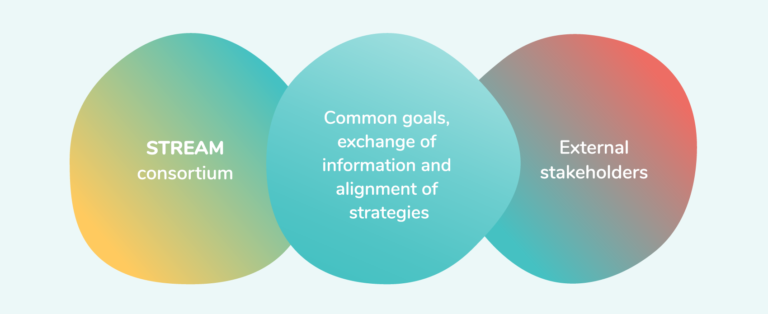
Unlocking local energy flexibility is not only a technological challenge, but it also requires meaningful collaboration with companies and organisations beyond the project consortium. At the Slovenian pilot site, the STREAM team engaged with external stakeholders to explore how their energy assets could support the development of local flexibility markets.
Through a series of visits, questionnaires, and detailed analyses, we identified both opportunities and obstacles in establishing these partnerships.
Key insights from our work:
- Many businesses are unfamiliar with flexibility services. Awareness-building and education are essential.
- There is strong interest in renewable energy technologies (such as PV, battery storage, and EV charging), but companies face challenges in sizing, investment decisions, and implementation.
- Businesses are cautious about using energy assets beyond their core operations due to concerns over risk, warranties, and market unfamiliarity.
- A lack of internal expertise is a common barrier, limiting the ability to act on energy flexibility opportunities.
- Maintaining engagement is difficult without clear financial incentives and consistent communication.
Why this matters:
Cooperating with external stakeholders is vital for addressing local grid issues such as congestion and voltage instability. It enables DSOs to defer or avoid costly infrastructure investments by leveraging flexibility where it already exists.
📄 Download the full 2-page takeaway here.